
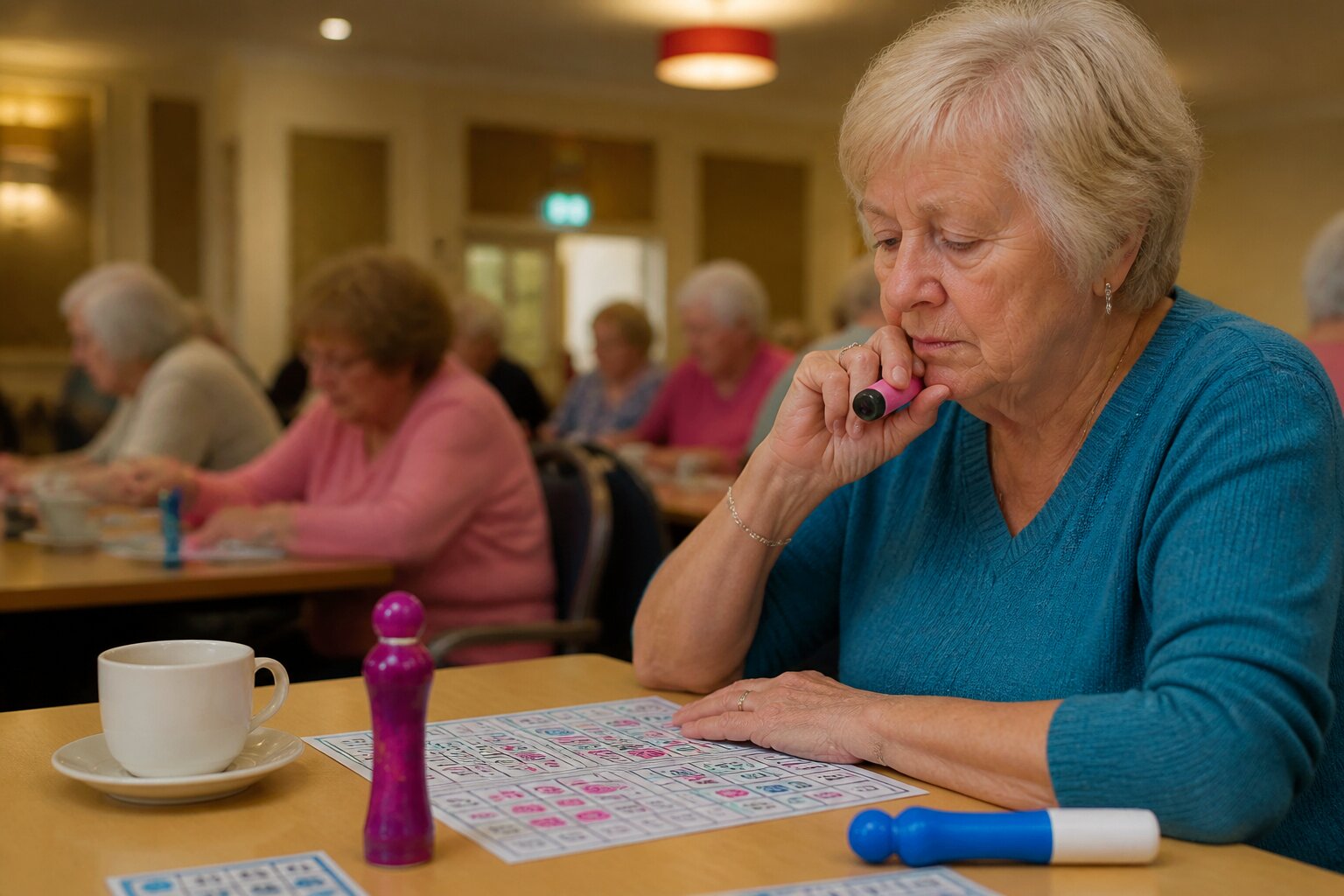
Bingo has been a favourite pastime in Britain for generations, filling halls and websites with friendly competition and a strong sense of community. But is there more to the game than simply waiting for numbers to be called?
Some players assume that practice or clever systems can change the outcome, while others treat bingo purely as a social activity. It’s worth separating what players can influence from what they cannot, so you get the most from every session.
Read on to learn which abilities genuinely shape your experience, how different forms of bingo compare, and what to keep in mind to play in a clear-headed, well-informed way.
What Skills Are Involved in Playing Bingo?
Bingo relies on random draws, yet certain personal skills improve how you play and how much you enjoy the game. Attention is a key example: staying focused helps you mark numbers correctly and avoid missing a call, which matters most when you’re handling more than one card at a time.
Organisation is useful too. A simple system for arranging cards, keeping a pen or dauber ready, and tracking which patterns are active will reduce stress and let you concentrate on the game. Listening skills matter in loud rooms, where numbers can be called quickly; online, reading the chat and call feed serves the same purpose.
These abilities won’t alter the official draws, but they do reduce errors and let you take part with confidence. Practising them makes the mechanics of play smoother and keeps the experience enjoyable.
How Do Cognitive Abilities Affect Bingo Outcomes?
Mental skills such as focus, short-term memory and quick visual recognition shape how well you cope with the flow of a game. When you can pick out numbers quickly and remember which cards you’ve already checked, the session feels more engaging and less hectic.
Cognitive sharpness helps most in fast games or when several cards are active. It also makes the social elements—chatting, calling patterns, celebrating wins—more rewarding because you’re present and alert.
While these abilities improve your performance at the table, they don’t change how the numbers are selected. Think of them as tools that let you play cleaner and enjoy the interaction without affecting who wins.
Common Myths About Skill and Bingo
Many myths surround skill in bingo. Some players believe that practice or special systems can boost their chances of winning, or that playing a particular number of cards guarantees better results. Others claim that being the fastest marker will secure more wins.
The reality is different. No strategy or routine can influence the selection process itself; this is governed by the method used to draw numbers. Skills matter for accuracy and enjoyment, not for altering probabilities.
Keeping this distinction clear helps set realistic expectations. Treating bingo as entertainment rather than a route to profit protects your enjoyment and keeps the social side in healthy perspective.
Is Bingo Purely a Game of Chance or Is There More to It?
At its core, bingo depends on random number selection, so outcomes are not shaped by player actions. That said, the way you choose to play affects what you take from a session. Deciding how many cards to manage, whether to join themed rooms, or which sessions fit your schedule all shape the experience.
Bingo’s appeal lies partly in those choices: they influence pacing, the level of interaction and how lively a night feels. These personal factors help you find the type of game that suits you best, even though they don’t change the official result of a draw.
If you want the most satisfying sessions, pick formats that match your comfort and attention levels, and engage with other players in ways that enhance the social element.
How Do Social Skills Influence Bingo Experience?
Social skills have a large effect on the atmosphere and enjoyment of bingo. They shape how people feel, how groups interact and how welcoming a session becomes.
Key social behaviours that improve the experience include:
- friendly conversation that helps break the ice and keeps energy positive
- a supportive attitude towards other players, celebrating wins and offering encouragement
- knowing how to participate in the room’s rhythm, such as when to chat and when to focus on the game
Good communication helps newcomers feel welcome. A respectful approach keeps chat rooms and halls civil and inclusive, which makes sessions more enjoyable for everyone present.
While social interaction will not alter the selection of numbers or the fairness of play, it does encourage repeat visits, build friendships and create memorable nights. Being mindful of others and keeping play civil supports the overall enjoyment of the game without affecting outcomes.
Respectful social behaviour also helps maintain a safe environment where everyone can enjoy the game responsibly and within the rules.
The Role of Observation and Focus in Bingo
Observation and sustained focus reduce the chance of mistakes. For example:
- missing a called number
- mis-marking a card
These skills are particularly valuable when the game tempo picks up or when you are managing multiple cards. Being alert makes it easier to keep track of each card and to respond quickly when a winning pattern appears.
Staying attentive also helps you follow special patterns or secondary prizes that some sessions offer. Clear concentration makes it simpler to notice when a less common pattern is completed and to claim any related prize.
Practical steps that support observation and focus include:
- choosing a comfortable seat with good lighting
- organising your cards so they are easy to scan
- using a dauber or marker that suits your pace
- taking short breaks if your attention starts to slip
In short, careful observation keeps you in the running and reduces frustration, even though it does not influence the draw itself. Staying focused helps you enjoy the game and reduces the chance of losing out through avoidable errors.
Why Do People Believe Bingo Involves Skill?
Perceptions that skill matters often come from the hands-on aspects of play. Matching numbers quickly, juggling cards and calling a win before others provides a sense of control and achievement.
Those moments feel skilful because they demand coordination and speed. They also give a visible way to measure personal improvement, which reinforces the idea that practice matters even when chance is the primary factor.
Beliefs about skill also help bond players. Many players enjoy comparing approaches and learning from one another, which strengthens social connections in and out of sessions.
Common areas of discussion include:
- discussing tactics
- swapping tips on card organisation
- comparing experiences after games
Understanding where the feeling of skill comes from clarifies why players stay engaged, and why bingo remains popular across age groups. Recognising the social and psychological reasons behind the perception of skill helps keep expectations realistic while preserving what people enjoy about the game.
How Do These Beliefs Shape the Bingo Community?
The idea that skill plays a part encourages participation and friendly rivalry, which in turn fosters social ties. Players trade stories about near-misses and memorable calls, and that shared history keeps communities lively.
Friendly competition can motivate regular attendance and create local traditions, such as themed nights or charity events, that further strengthen bonds among players.
At the same time, preserving an accurate view of the game’s mechanics prevents unrealistic expectations. Keeping discussions honest about what can, and cannot, be changed by player behaviour helps maintain a healthy community spirit and supports safer, more enjoyable play for everyone.
Skill-Based Vs Traditional Bingo: What’s the Difference?
Traditional bingo is organised so that every player’s chance of winning is based on the draw alone. The player experience depends on factors like pace, number of cards and room size rather than individual technique.
Skill-based variants introduce extra elements—simple choices or small games within the session—that can change how entertaining a round feels. These features are designed to add variety and involvement but typically leave the main draw determined by random selection.
In the UK, most bingo formats are regulated to ensure fairness. Whether you prefer a classic game or a version with added interaction, the best approach is to choose the style that matches what you want from the session and to play with clear expectations.
Enjoy bingo for the social connection, the challenge of staying alert and the variety of formats available. Play in a way that suits you, take pride in the skills that make the experience smoother, and remember the outcome is not something players can control.
**The information provided in this blog is intended for educational purposes and should not be construed as betting advice or a guarantee of success. Always gamble responsibly.