
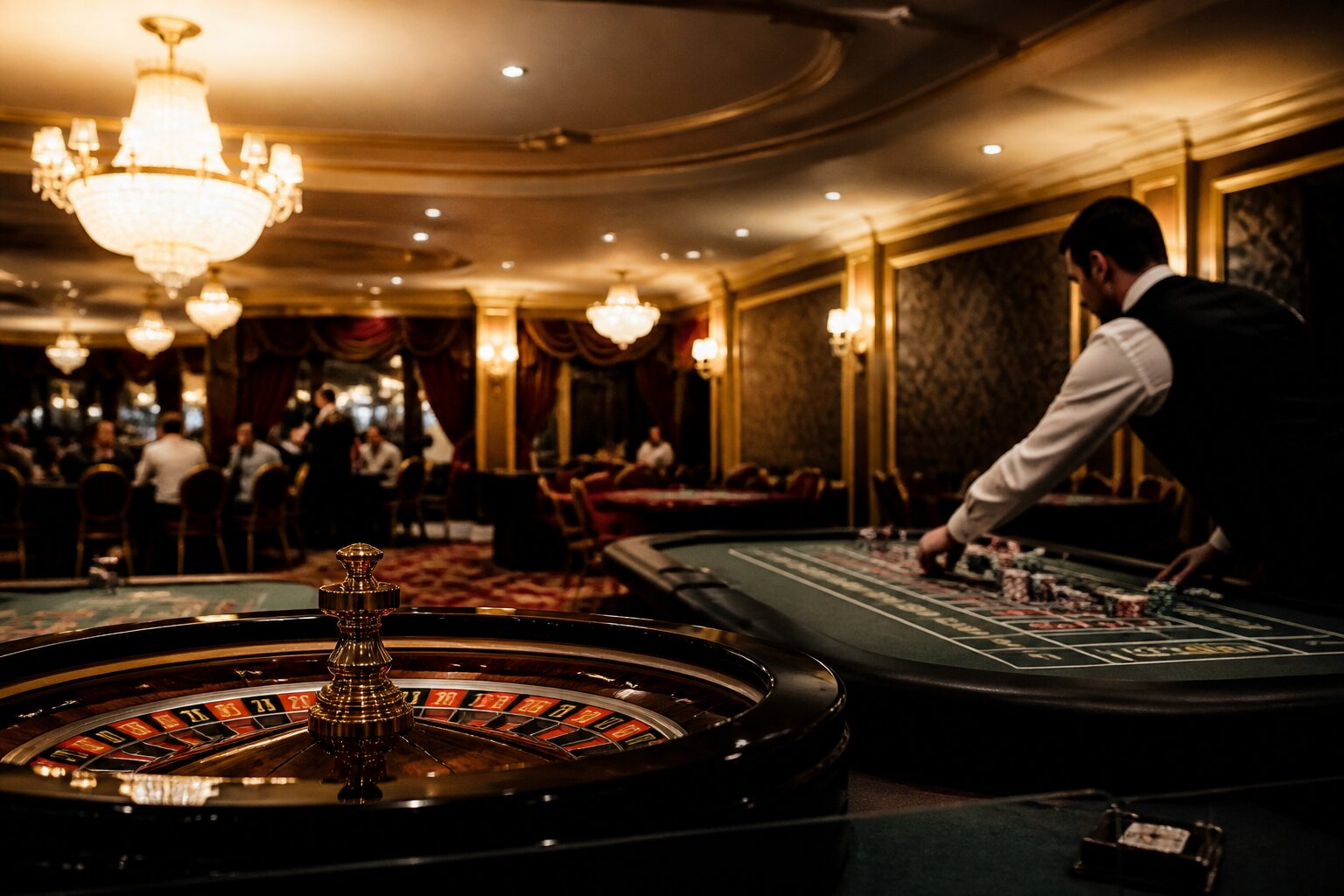
Las Vegas has long been associated with casino gaming, but its rise to global prominence began with a handful of early venues and significant changes to gambling laws. Understanding how the city developed provides useful context for its reputation today and the role casinos continue to play in its identity.
This guide explores the origins of the first casino in Las Vegas, how gambling became established in the city, and the key developments that shaped its growth into the world's best-known gambling destination. It also looks at some of today's most famous casinos, explains the legal requirements for visitors, addresses common myths about early Las Vegas, and offers practical guidance on what UK visitors can expect when visiting a casino.
Read on to learn more.
What Was the First Casino in Las Vegas?
When historians look for the first proper casino in Las Vegas, they point to the Northern Club on Fremont Street, which opened in 1931. That year was pivotal because Nevada legalised gambling to help an economy hit by the Great Depression. The Northern Club operated with a licence and offered games such as card tables and roulette, marking a break from the era when gambling was often hidden.
The venue was modest compared with today’s resorts, but it mattered because it made gambling an open, regulated business in the city. Local authorities required licences and inspections, so even at this early stage there was a framework intended to keep games transparent and the industry above board. The Northern Club’s example encouraged other entrepreneurs to invest in venues where visitors could gamble openly and with official oversight.
From this starting point, Las Vegas began to attract more visitors and grow into a centre for gaming and entertainment.
How Did Gambling Begin in Las Vegas?
Gambling in Las Vegas stretches back to its days as a small railway town in the early 1900s. Informal games and small saloons served travellers and workers, but formal gambling was banned in Nevada in 1910. Despite the ban, games persisted in private rooms and quiet venues.
The major shift came in 1931, when the state reversed course and legalised gambling to stimulate the faltering economy. That legal change, combined with the town’s transport links and growing local population, created conditions for licensed venues to open. Early legal establishments were generally small clubs and card rooms rather than large resorts. Authorities put rules in place about licensing and game conduct to encourage a regulated industry from the outset.
This mix of economic need and legal structure set the stage for Las Vegas to expand as a destination where gambling could be offered openly and under supervision.
The Transformation: From Small Venues to Iconic Casinos
Throughout the 1930s and 1940s Las Vegas moved from modest clubs to larger, resort-style casinos. A key moment was the opening of El Rancho Vegas in 1941 on what would become the Strip. It combined hotel rooms, dining and entertainment with gaming, showing how a venue could offer a full visitor experience rather than just table games.
Developers followed that model, building larger properties such as the Flamingo and the Desert Inn. These venues introduced themed attractions and higher-capacity entertainment, attracting tourists who wanted shows as well as gaming. Over time the focus shifted toward creating destination resorts that catered to multiple interests, not simply gambling.
Alongside this growth, oversight and licensing continued to shape how casinos operated, with inspections and rules aimed at maintaining fair play. The result was a distinctive cityscape where large resorts dominated, each offering a curated mix of gaming, hospitality and entertainment.
If you want to understand today’s Strip, it helps to see it as the result of this shift from single-purpose clubs to multi-faceted resorts.
Why Did Las Vegas Become the World’s Gambling Capital?
Las Vegas’s rise reflects a combination of timing, infrastructure and regulation. Legalising gambling in the 1930s gave it an immediate advantage over many places where gaming remained restricted. Projects such as the Hoover Dam brought workers and visitors through the region, boosting the local economy and demand for entertainment.
Transport links made the city increasingly accessible, and entrepreneurs recognised an opportunity to build venues that offered both regulated gambling and other attractions, such as shows and dining. Strong local oversight helped reassure visitors that games were conducted fairly and that licensed businesses met set standards.
These elements worked together: legal framework, improved access and an entrepreneurial drive to create comprehensive visitor experiences. That combination turned a small desert town into a major centre for regulated gaming and tourism.
What Are the Most Famous Casinos in Las Vegas Today?
Las Vegas’s character today owes much to its landmark casinos, each with a distinct style and offerings that go beyond gaming. A few of the most recognised properties include:
Bellagio
Known for its fountains and refined interiors, the Bellagio pairs table games and slots with art displays and botanical exhibits. The conservatory and rotating floral installations are a regular draw for visitors, while the casino floor maintains a sophisticated atmosphere.
The property also stages theatre productions and fine dining options, making it a destination for people seeking a complete hospitality experience.
Caesars Palace
With architecture inspired by ancient Rome, Caesars Palace has long hosted concerts and sporting events in addition to its gaming floors. Its Colosseum theatre has been the site of major residencies and headline shows.
The resort’s shopping, restaurants and spa facilities complement the gaming offerings, helping it appeal to a broad range of guests.
MGM Grand
One of the largest hotel-casinos, MGM Grand combines extensive gaming areas with restaurants and large-scale live shows. The venue is known for its roster of headline performers and regularly hosts boxing and mixed martial arts events.
Family-friendly attractions and nightlife venues sit alongside high-stakes gaming rooms, giving it a wide demographic reach.
The Venetian
The Venetian recreates aspects of Venice, with canals and themed décor, and offers a casino alongside shopping and international dining. Its large suites and conference facilities also make it popular with leisure and business travellers.
The attention to themed detail extends into entertainment offerings, from galleries to seasonal events.
Luxor
Easily recognised by its pyramid silhouette, the Luxor provides themed attractions and exhibitions alongside its gaming and accommodation. The distinctive shape and interior design create a noticeable visual identity on the Strip.
It mixes budget-conscious options with headline shows and special exhibits to attract diverse visitors.
Each of these venues operates under licensing and inspections, and they illustrate how casinos now blend gambling with broader hospitality and entertainment services. Regulation and oversight are in place to ensure fair play and consumer protection, and many properties invest heavily in customer service and safety standards.
Understanding Gambling Laws in Las Vegas
Visiting Las Vegas involves following a legal and regulatory framework designed to protect players and maintain fair gaming. The rules are enforced by state and local gaming authorities and are intended to make sure licensed operators run games transparently and responsibly.
Laws differ from those in the UK in some clear ways, particularly around age and venue type. It helps to be aware of these differences before you visit so you can avoid misunderstandings and know where to seek help if needed.
Age Restrictions & Legal Requirements
The minimum age to gamble in Las Vegas is 21, and photo ID is checked before entry to gaming areas. This applies across all casinos, racetracks and other licensed establishments that offer betting.
Only licensed venues may offer gambling, and the state’s gaming authorities oversee licensing, inspections and enforcement. Operators must comply with state regulations and are subject to regular checks to ensure games are fair and records are kept correctly.
Most regulated gambling in Las Vegas happens in physical venues, which are required to display rules, betting limits and other relevant information for visitors. Typical information you should expect to see includes:
- table and machine rules and payout percentages where applicable
- minimum and maximum betting limits
- information about licence status and responsible gambling resources
Responsible Gambling Measures
Casinos provide information about safer gambling and offer options to help customers manage their play. Common measures include:
- self-exclusion programmes that allow individuals to ban themselves from venues for a set period
- helplines and contact details for local addiction support services
- printed guidance and online resources about safer play and risk awareness
Staff training aims to identify and respond to signs of risky behaviour. Employees are trained to spot indicators of harm and to refer customers to support options or management where appropriate. Venues are expected to maintain visible information about support services so that help can be found easily when needed.
These measures form part of the wider regulatory framework that governs licensed gambling in the city. Knowing the legal basics and where to find support helps visitors make informed choices when they explore gaming venues. If you are ever unsure about the rules or need assistance, speak to venue staff or consult the authority information displayed on site.
Myths About Early Las Vegas Casinos
Popular culture often paints the early casinos as either completely lawless dens or instant money machines. The reality is more nuanced. While organised crime had some influence in parts of the industry at certain times, many early venues operated under licensing and regulatory scrutiny. Authorities maintained rules about who could hold licences and how games were run.
Another common assumption is that early casinos consistently produced large payouts for most visitors. In truth, gambling has historically been set up as entertainment with the house maintaining a statistical edge, so large wins were rare for the average player. Finally, the notion that early casinos lacked rules overlooks the licensing and inspection systems that existed to keep the industry functioning transparently.
These clarifications help separate myth from fact and give a clearer picture of how the city’s gambling sector actually developed.
Beginner’s Guide to Visiting a Las Vegas Casino
A first visit to a Las Vegas casino can feel overwhelming, so it helps to know what to expect and how venues operate. Casinos combine gaming with hospitality and entertainment, and they are set up to welcome a wide variety of visitors while enforcing legal requirements.
What to Expect Inside a Casino
On the gaming floor you will find tables and machines laid out alongside bars, restaurants and entertainment spaces. Security presence is routine, and signage explains rules, minimum bets and house policies. Drinks are often available from waiting staff, and chips or tokens are used at tables. Staff will check ID when needed, and rules about photography or phone use at gaming tables are commonly enforced.
Casino Etiquette for UK Visitors
Respect for rules and staff goes a long way. If you are unsure about a game, ask staff for a brief explanation rather than guessing. Avoid photographing players or tables, and be mindful of personal space around games. Dress code varies by venue but tends towards casual; some areas may expect smarter attire. Most importantly, set a budget and keep to it so that your visit remains an enjoyable part of a wider trip.
By knowing what to expect and behaving considerately, a visit to a Vegas casino can be a memorable experience that fits alongside shows, dining and sightseeing.
**The information provided in this blog is intended for educational purposes and should not be construed as betting advice or a guarantee of success. Always gamble responsibly.