
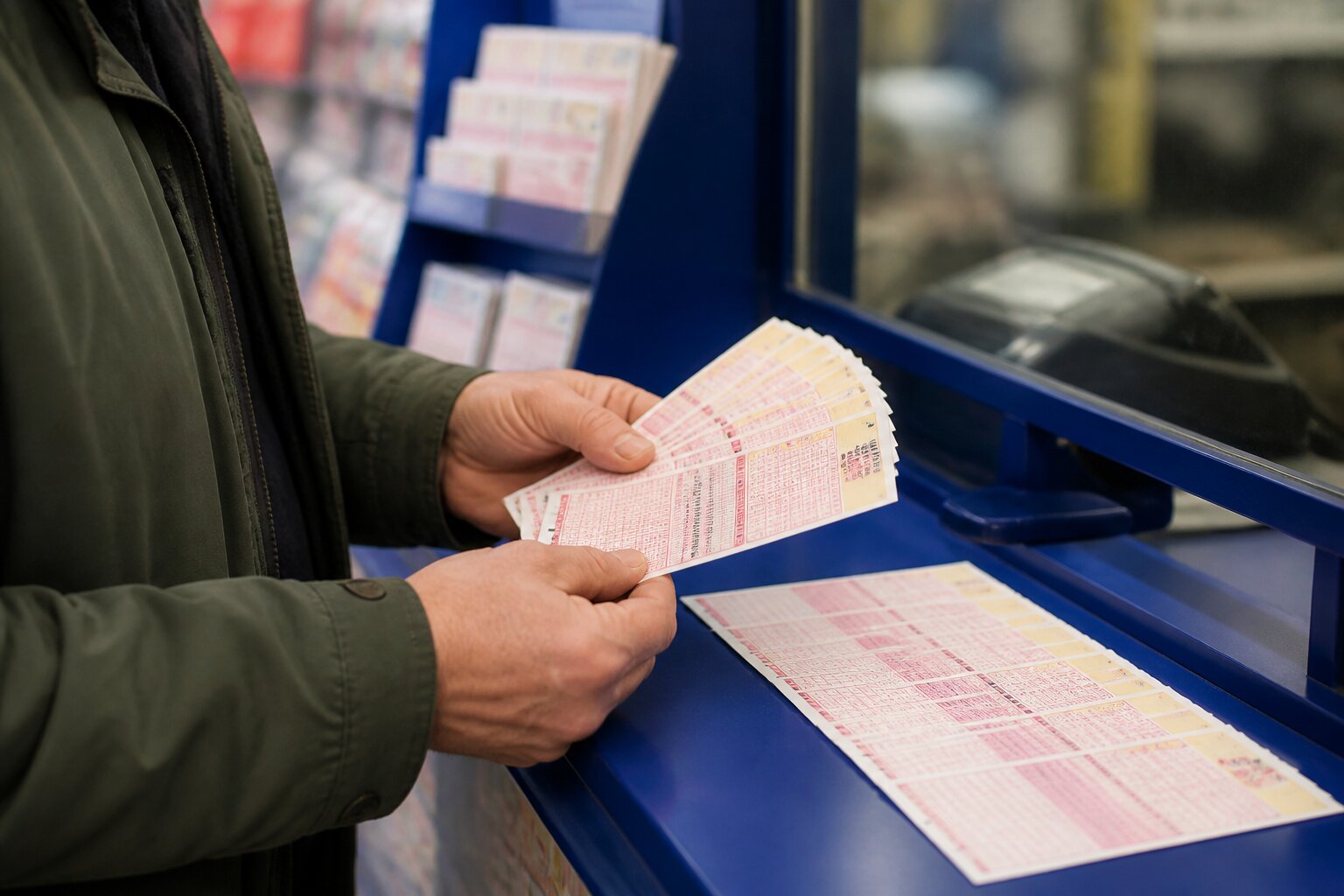
Ever dreamed of hitting the jackpot and wondered if buying more tickets could boost your chances? Before you head to the shop or log on to a lottery website, it’s important to know the rules.
Whether you enjoy picking your own numbers or prefer a Lucky Dip, there are limits you need to be aware of. These rules exist not just for fairness but to protect players and keep play within clear boundaries.
Read on to find out how ticket limits work, where they apply, and what to expect when buying in different ways.
UK Lottery Ticket Purchase Limits Explained
In the UK, lottery ticket purchases are governed by clear rules set out to ensure fair and safe play. One legal requirement is age: you must be 18 or over to buy tickets. For National Lottery draws, a player may purchase up to 10 tickets per draw, and each ticket can include up to seven lines. These caps apply both in shops and online.
Smaller lotteries—such as society or charity draws—may set different limits. Operators often impose their own caps to reflect the scale of the game or to manage demand, and retail outlets might add further checks during busy periods. All of these controls aim to keep play manageable for individuals and transparent for everyone involved.
Next, we’ll look at why you can’t simply buy unlimited tickets and how those limits are enforced.
Can You Buy Unlimited Lottery Tickets in the UK?
Unlimited ticket purchases are not permitted. The statutory rules and operator policies set firm maximums for each draw, and systems are put in place to prevent anyone from exceeding them.
These controls operate across every sales channel. They help stop excessive spending and ensure that ticket sales remain within the boundaries defined by the regulator. Operators also apply checks during registration and at the point of sale to make sure limits are respected, and automated safeguards are used to detect attempts to bypass them.
Personal limits or budgeting choices are separate but encouraged as sensible ways for players to manage their own activity. Setting deposit or spend limits, taking breaks, and using reality checks are all measures that individual players can choose to keep play within their means.
With those limits in mind, it is useful to understand how national rules compare with regional or charity lotteries. Different lottery types may have their own caps and practices, but all must operate within the wider legal framework and consumer protection standards.
Differences Between National and Regional Lottery Rules
Rules differ between the National Lottery and smaller, regional or charity lotteries. National games have consistent limits across the country, while local schemes may use lower caps, additional verification or special terms to suit their circumstances.
Retailers can also apply extra restrictions, for example when demand is unusually high or to help staff manage sales responsibly. These variations don’t contradict the wider legal framework; instead they layer protections appropriate to the size and nature of the lottery.
Understanding these distinctions helps when deciding where and how to buy, and it sets the scene for how purchases are handled in practice.
Why Do Purchase Limits Exist?
Purchase limits exist to protect players and to maintain a fair playing field. Caps on tickets and lines make spending predictable and reduce the chances of someone incurring harm through excessive purchases. They also help people play within their means by setting clear boundaries on how much can be spent in a single transaction or over a defined period.
Limits also support the integrity of a draw by ensuring no individual can dominate ticket ownership in a way that would distort participation. By restricting the quantity any one person can buy, the system preserves equal opportunity for all entrants and helps prevent any single player from skewing odds. The rules are part of a wider approach to consumer safety and transparent operation, giving everyone confidence that play is regulated and supervised.
With the purpose of limits clear, it is worth checking the practical safeguards that accompany larger purchases. Providers may apply additional checks, such as verification steps or spending alerts, to make sure limits are respected and that players remain in control. These measures contribute to safer play and a trustworthy experience for all participants.
Are There Age or ID Requirements When Buying in Bulk?
When tickets are bought in large quantities, sellers may apply stricter identity checks. The legal minimum age of 18 applies for all purchases, and staff or online systems will request ID where age is uncertain or a purchase looks unusually large. Where identification is required, acceptable documents will typically be standard forms such as a passport or driving licence, and in some cases retailers may ask for additional proof such as a recent utility bill to confirm name and address.
Some outlets adopt additional limits to assist staff in handling sales responsibly and to guard against underage or unauthorised transactions. These measures are routine and are applied to protect both customers and retailers. Retailers also reserve the right to refuse a sale if they have reasonable concerns about the purchaser or the intended use of the tickets, and this can sometimes result in a delay while checks are completed.
Online purchases are subject to their own checks, with many sites using age verification services or requiring scanned ID before processing larger orders. These checks are handled in line with data protection laws and retailers should explain what information is being collected and why. If you are buying on behalf of someone else or arranging a bulk purchase for a group, expect retailers to ask for additional details to ensure compliance with regulations.
Next, consider whether the way you buy—online or in person—affects these rules.
Online vs In-Store: Does the Method Affect Ticket Limits?
The same limits apply whether a purchase is made online or in a shop. Online platforms typically enforce caps automatically through their checkout systems, while retail tills and staff prevent over-purchasing at the point of sale.
The mechanics differ between the two. Online operations use automated checks, payment flags and account rules to stop purchases that exceed limits. In a shop, staff follow till controls and store procedures, along with visual or identity checks where required, to ensure a sale stays within the permitted thresholds. Both approaches are designed to achieve the same result.
Either way, the outcome is consistent and intended to keep purchases within the permitted limits. Systems and staff are both part of a wider compliance framework, so whether a transaction is digital or face to face, the safeguards work to the same end.
Having seen how channels compare, the following section covers how payment choices interact with these safeguards.
How Payment Methods Impact Ticket Purchases
Payment method does not change statutory ticket limits or the age requirement, but certain methods can prompt extra verification. Credit cards are generally not accepted for most gambling purchases, including National Lottery tickets, and debit cards or bank-linked payments are the standard. Using a debit card, direct bank transfer or an authorised bank-linked mobile payment usually meets the basic requirements for making a purchase.
Large or frequent transactions may trigger requests for ID or additional checks to confirm the source of funds. These checks can include requests to verify identity, address or proof of the payment method, and they form part of routine anti-fraud and anti-money laundering measures. They help operators ensure that purchases are lawful, traceable and within regulatory safeguards.
With payment checks in place, it is helpful to know what happens if someone tries to exceed the allowed amount. Operators may block the transaction, place a temporary hold while verification is completed or refuse the sale until satisfactory evidence is provided. Such measures protect both the customer and the operator, and support compliance with legal obligations.
What Happens If You Try to Buy More Than Allowed?
Attempting to buy more tickets than permitted will result in the sale being blocked. Online systems reject orders that breach ticket or line caps before they are completed, so the transaction will not go through and you will be notified of the reason. In a shop, the purchase will be refused at the counter and staff will explain that the request exceeds the allowed limit.
Both methods rely on the same principle: enforce the rules at the point of sale so that no unauthorised excess can occur. These safeguards maintain fairness and compliance with the regulatory framework, and they help protect both customers and operators by ensuring rules are applied consistently.
Occasionally an online basket may contain some items that are within the limit and others that push it over. In those cases the system may prevent completion of the whole order rather than partially fulfil it, so you should adjust the selection and try again. If a payment has been authorised but the sale is later blocked, most operators will release the authorisation or arrange a refund in line with their payment provider's timescales.
In shop situations, staff have clear procedures to follow when limits are reached. They can check transaction history and clarify whether an earlier purchase has already used up available lines. If you believe an error has occurred, keep your receipt as proof of purchase and contact the retailer or operator promptly so they can investigate and, if appropriate, resolve the matter.
The next section clears up some common misunderstandings around limits and payment methods.
Myths and Misconceptions About Lottery Ticket Limits
A common myth is that certain payment methods can be used to get around limits. In reality, regulated operators enforce the same caps regardless of how a purchase is paid for. Credit cards are typically not permitted, and regulated e-wallets or bank-based methods must still conform to verification rules.
Another misconception is that buying many tickets creates a higher chance of success in a way that undermines fairness; limits and controls are precisely what prevent any individual from gaining disproportionate influence over a single draw.
Recognising these facts helps to make informed choices and sets realistic expectations about how ticket purchases are managed.
Summary of Key Points
Ticket limits and verification procedures exist to keep lottery play lawful, fair and transparent. The National Lottery sets clear per-draw caps, while smaller or regional lotteries and retailers may apply additional restrictions. The same rules apply online and in stores, and payment methods do not change statutory limits, though they can trigger routine checks.
If a purchase exceeds permitted limits it will be blocked, and ID checks may be requested for larger transactions. These measures ensure regulated, compliant play for everyone. By following the rules and using authorised purchase channels, players can take part with confidence and clarity.
**The information provided in this blog is intended for educational purposes and should not be construed as betting advice or a guarantee of success. Always gamble responsibly.