
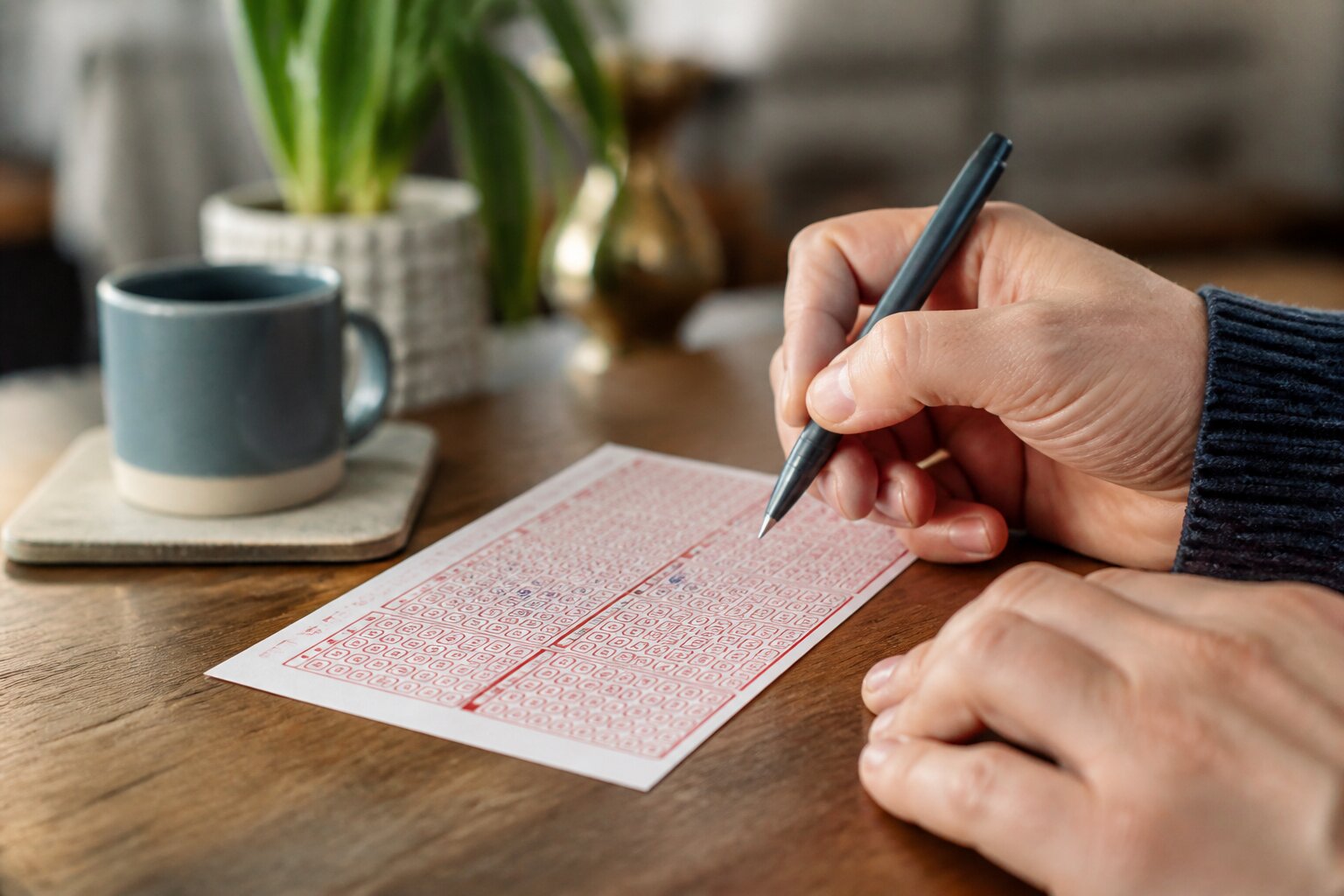
Ever wondered just how many numbers you need to match to bag a prize in the Lottery? You're definitely not alone.
It can be confusing to work out exactly what you need for a win, especially with several prize levels and different draws to consider. Whether you’re aiming for the jackpot or a smaller payout, understanding the rules makes checking tickets and choosing numbers less of a guessing game.
Before you buy your next ticket or check those numbers, take a minute to read on. We’ll explain the prize tiers, what happens when prizes are shared, how draws are run and verified, where to check results, and clear up common myths — so you can follow each section with confidence and move on to the next.
Understanding Lotto Basics in the UK
Most UK lottery games ask players to pick a set of numbers from a given range; for the main Lotto draw this means choosing six numbers from 1 to 59. Draws take place on fixed days and winning numbers are selected by automated machines designed to produce unbiased outcomes. Each draw is an independent event, so previous results do not affect future ones.
There are several official draws, each with its own rules and prize structure. Some require matching extra numbers or “stars” for certain prizes, while others use a fixed-prize format for lower tiers. The age requirement is 18 and over. Operators provide safeguards and tools for anyone who needs them, helping players keep control of their spending and participation.
Winnings depend on how many of your chosen numbers match those drawn, with payouts ranging from small fixed sums to large shared jackpots. The next section lays out how those prize tiers typically break down and what to expect at each level.
What Are the Different Prize Tiers?
Prize tiers are the backbone of how lotteries reward matches. In tiered games you receive a prize according to how many numbers you match: fewer correct numbers give smaller awards, while matching the full set yields the top prize. Each game publishes its own official breakdown, and some operators adjust amounts occasionally, so it is sensible to check the current rules for the draw you play.
In a typical Lotto draw the tiers might look like this: matching two numbers returns a small prize or a free entry; three numbers usually give a modest fixed cash amount; matching four or five numbers gives progressively larger cash prizes; matching all six main numbers secures the jackpot. Alternative games, such as Thunderball or EuroMillions, use a similar tiered approach but may include additional elements like a bonus ball or star numbers that affect specific prize levels. Understanding these tiers helps set realistic expectations before the draw.
Matching Fewer Numbers: Small Prizes Explained
Smaller prizes are the most common payouts and are straightforward in how they’re awarded. For example, matching two numbers often yields a free entry or a token prize, while three-number matches typically return a set cash amount. As the number of correct picks increases, so does the payout, with four and five matches offering substantially higher but still sub-jackpot sums.
These prizes are important because they provide frequent returns for players and keep individual outcomes predictable. Different games fix these amounts in different ways: some maintain the same cash prize regardless of the number of winners, while others divide a prize fund across winners in that tier. The next part explains what happens when multiple players claim the same prize level.
What Happens If Multiple Players Win?
When several tickets qualify for the same tier, the method of distribution depends on whether the prize is fixed or shared. Fixed prizes are paid to every winning ticket at the set amount; shared prizes are pooled and split equally among winners in that tier. For example, a jackpot won by two tickets will be divided equally between those winners.
Smaller tiers may remain fixed in value, so many winners do not reduce each other’s payments. Larger prizes, particularly jackpots and rollover funds, are typically subject to splitting. Operators publish clear rules about distribution and prize-sharing so winners know how an amount has been calculated. Understanding this distinction clarifies why a headline jackpot figure might translate into a smaller individual payout if there are multiple winners.
Next, we’ll look at the safeguards that ensure draws and results are trustworthy.
How Are UK Lotto Numbers Drawn and Validated?
Numbers are selected using processes designed to guarantee independence and accuracy. Draws commonly use mechanical or electronic machines that have been independently tested to ensure impartial selection. Equipment is regularly inspected and calibrated, and the entire procedure is overseen by independent adjudicators to confirm fairness.
After the draw, results undergo verification steps before publication. Independent adjudicators check the equipment logs and procedures, while audit trails record every stage of the draw. These safeguards are in place to ensure that the outcome reflects the draw itself and that ticket validation is handled correctly.
All of these measures are part of a regulatory framework that aims to protect players and maintain confidence. With robust verification in place, the next practical question is where and how to check whether a ticket has won.
How to Check Your Lotto Results
Official results are published promptly after each draw through multiple channels so players can verify tickets quickly. Results typically appear on the operator’s website, through official apps, and at authorised retail outlets shortly after numbers are confirmed. Some news outlets also report major results, particularly for large jackpots.
Small prizes can usually be claimed in-store, while larger payouts may need an online claim or submission of paperwork depending on the size. Each operator sets claim windows and procedures, so it is important to follow the stated process to ensure a valid claim. When a prize is shared across multiple winners, the calculation and division are explained in the published results information.
With an understanding of how draws are run and how to check results, it helps to clear up a few persistent misconceptions people often have about lotto numbers.
Common Myths About Winning Lotto Numbers
A number of myths circulate about patterns, frequency and predictability of drawn numbers. In reality, draw methods and independent oversight mean each number has an equal chance on the day of the draw and past results do not influence future ones. Apparent patterns in previous draws are statistical fluctuations rather than evidence of a system at work.
Claims that particular sequences or strategies can reliably predict winning numbers are not supported by the way draws operate. Equipment testing, independent adjudication and transparent auditing are all designed to remove bias and manipulation. Appreciating this helps keep expectations realistic and supports informed participation.
Being aware of these realities leads naturally into a clear summary of the main points to remember about prize rules and participation.
Conclusion: Key Takeaways on Lotto Prize Rules
Prize tiers determine outcomes: more matching numbers mean higher rewards, with the jackpot awarded for matching the full set in the main draw. Some prizes are fixed and paid per winning ticket, while others are pooled and shared among winners in a tier. Draws are conducted and validated under strict controls to make sure results are accurate and impartial, and official channels publish results and claim procedures for every draw.
Approach lottery play as entertainment, keep participation within personal limits, and use the support tools operators provide if needed. Check results through official sources and follow the published claims process to ensure any win is properly handled. With the rules understood, you can follow each draw with confidence and clarity.
**The information provided in this blog is intended for educational purposes and should not be construed as betting advice or a guarantee of success. Always gamble responsibly.