
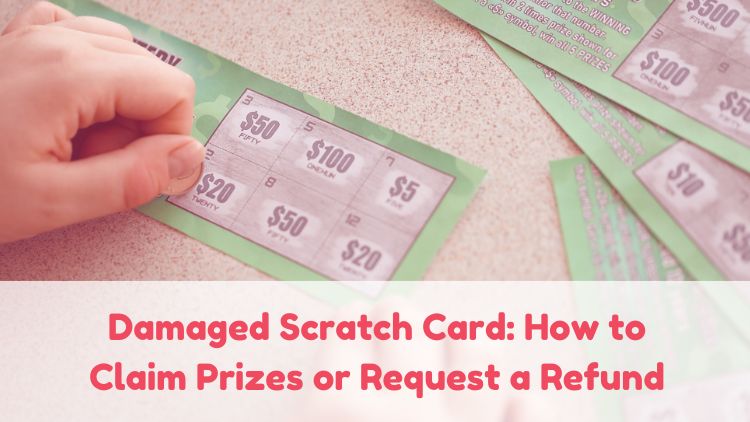
You’ve bought a scratch card, only to find part of it torn or the important numbers hard to see. It’s a frustrating moment, especially if you think there might be a prize on the line. Plenty of people in the UK come across damaged scratch cards, but fewer know what to do next.
You might wonder if you can still claim your prize, or if it’s possible to get your money back. The answer depends on the extent of the damage and whether the essential details can still be checked.
Understanding your rights, plus how the claim or refund process works, makes the whole situation easier to handle. This guide explains what counts as damage, who to contact, what evidence helps, and how long claims usually take.
What Counts As A Damaged Scratch Card?
A scratch card is considered damaged when wear or physical marks make it hard to read or verify. This might be caused by spills, tears, heavy scratching, heat, or folding.
Common examples include missing sections, faded print from liquids, or scratching beyond the game area. If the barcode or serial number is affected, it may be treated as damaged because these details are needed to check and pay prizes. If the game panel has been scratched so harshly that symbols or numbers cannot be made out, that can also be an issue.
Light creases or small edge tears usually do not matter, as long as the key areas remain clear. The core requirement is simple: the information needed to verify the card must still be visible and readable.
Can I Still Claim A Prize If The Card Is Damaged?
Possibly, yes. It depends on whether the essential parts of the card can still be checked. If the barcode, serial number and the game panel are all clear enough to read, a retailer or the operator may be able to confirm the result. Where those areas are obscured or missing, it becomes harder to validate.
If you are unsure, show the card to the shop where you bought it or contact the operator’s customer services. They can review the condition and explain whether a claim can go ahead.
If it looks promising, the next question is what proof will help your case.
What Evidence Do I Need To Claim Or Request A Refund?
You will need the original scratch card. Copies or photos are useful for early conversations, but they are not accepted for processing a claim. The physical card must be examined so its authenticity and readability can be checked.
A receipt from the shop helps to show when and where you bought it, though it is not always essential. For online purchases, a transaction record in your account serves the same purpose.
For some claims you may be asked to complete a short form or provide a brief description of what happened to the card. For higher value payouts, usually from £100 and upwards, identification such as a passport or driving licence may be required for verification.
If you are sending information by email first, include a clear photo of the affected area so the team understands the issue at a glance. The original card will still need to be provided before any decision is made.
Once you’ve gathered what you need, the first port of call is usually the retailer.
How To Report A Damaged Scratch Card To The Retailer
If you notice damage, take the card back to the shop where you bought it and explain what has happened. Bring your receipt if you have it. Staff will normally check whether the key details can be read and, if so, may be able to scan the card or advise on next steps.
Where the card is too damaged to be checked in-store, the retailer may direct you to contact the lottery operator. Keep hold of the original card, as it will be needed if the matter goes further.
If the shop cannot resolve it, the operator’s claims team will look at the case in more detail.
How To Submit A Claim To The Game Operator Or Lottery Company
When a shop cannot help, claims are handled by the lottery operator. Their website usually explains how to report problems with unreadable panels, printing errors or scanning issues, and whether a claim form is required.
In most cases, the original card must be posted to the address given by the operator, along with any requested paperwork. Using Royal Mail Recorded or Special Delivery is sensible so you can track the parcel and confirm delivery. Including proof of purchase, your contact details and, for higher value prizes, photo ID helps the process run smoothly.
If anything is unclear, customer support teams can confirm what they need and how long it is likely to take. Phone and email options are typically available.
What To Do If The Retailer Or Operator Rejects My Claim?
If your claim is refused, ask for a clear explanation. Operators should be able to say which requirement was not met, such as an unreadable serial number or missing section. Keep notes of what you are told, and request the explanation in writing if possible.
If you disagree with the outcome, use the operator’s complaints process. Provide a concise account of events and attach any supporting material, such as your receipt or previous correspondence. If you still cannot reach agreement, you may be able to escalate the matter to an independent body. The Gambling Commission’s website provides information on dispute resolution and where to find further advice.
Remain polite and keep copies of all emails, letters and forms. A clear paper trail makes any review easier.
How Long Do Claims Or Refunds Usually Take?
Timeframes vary. Simple issues dealt with at the shop can sometimes be resolved there and then. Where a card needs to be posted to the operator, allow time for delivery, checks and processing.
A typical postal claim may take around two to four weeks from receipt, depending on the complexity of the case. Higher value claims can take longer due to additional verification. If more information is required, the operator will contact you before making a decision.
If you have heard nothing after the expected timeframe, get in touch for an update and note the date of your call or email for your records.
If at any point gambling starts to feel like a problem, free and confidential support is available at BeGambleAware.org or by calling the National Gambling Helpline on 0808 8020 133. With the right information and a calm approach, a damaged scratch card can be resolved through the proper checks, giving you a fair outcome either way.
**The information provided in this blog is intended for educational purposes and should not be construed as betting advice or a guarantee of success. Always gamble responsibly.