
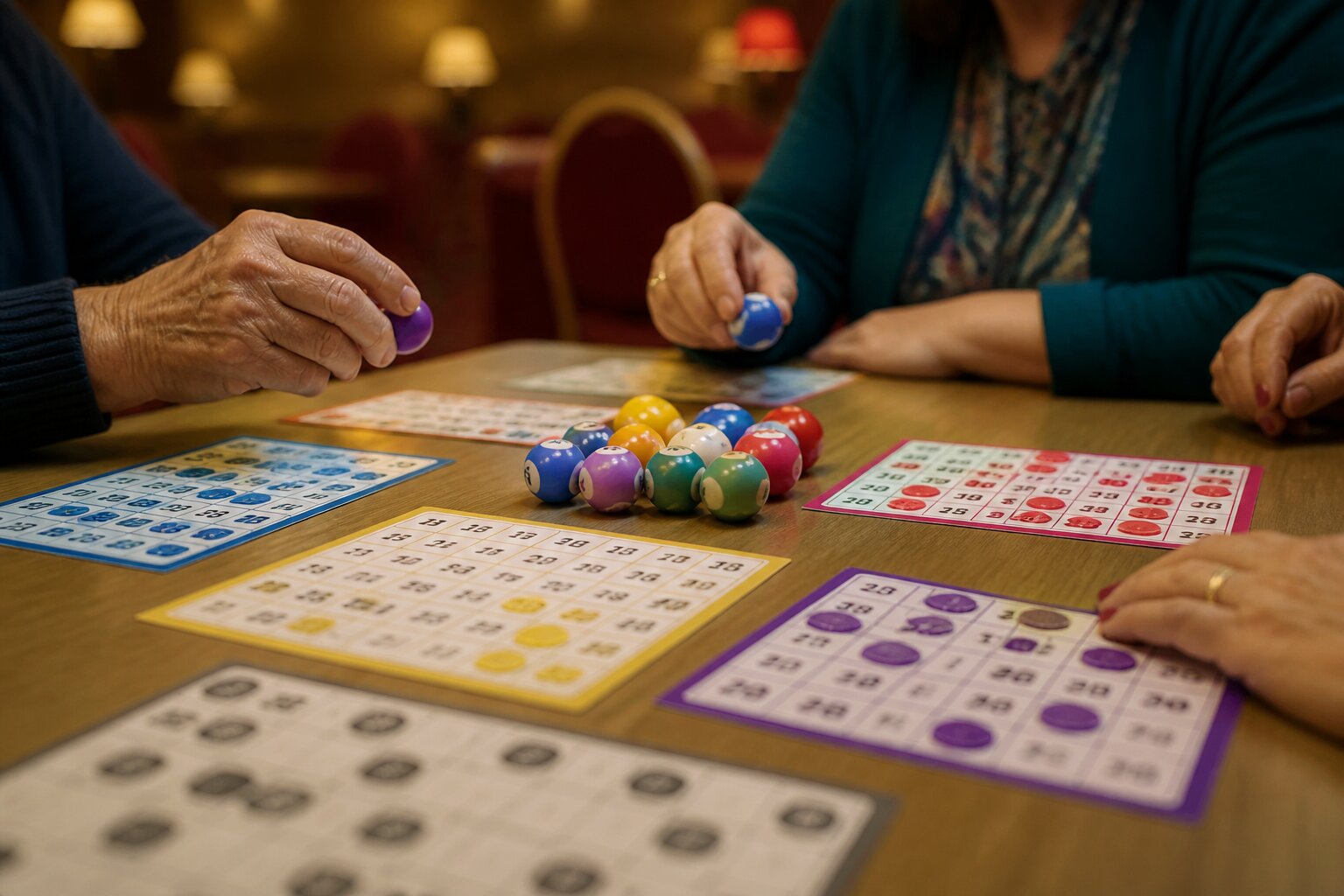
Bingo isn’t just one game — it spans a range of formats and styles that suit different tastes and paces. Whether you’ve never dabbed a card or you’re familiar with a hall or two, there’s always a variation to explore.
Each version alters the ticket layout, winning patterns or pace, which keeps the experience fresh. Read on to discover the most common forms of bingo and how they differ, so you can pick the one that fits you best.
Enjoy the explanations below and remember to play within your limits.
What Are the Main Types of Bingo?
The core formats you will encounter shape the way games run and how winners are decided. Three main types dominate play in different regions and venues, each offering a different pace and style of play.
90-Ball Bingo
90-ball bingo uses tickets with three rows and nine columns, covering numbers from 1 to 90. Each ticket contains 15 numbers, with some blank spaces. Games typically offer three distinct prizes as they progress:
- a single completed line
- two completed lines
- the full house, where all 15 numbers are marked
This staged approach creates several moments of excitement within a single session and suits players who prefer a social, steady pace. Sessions are often longer than other variants, and callers normally announce numbers at a measured speed to keep the game accessible.
75-Ball Bingo
75-ball bingo uses a 5x5 grid and often features a free centre square. Columns are commonly labelled B-I-N-G-O across the top, and wins depend on specific patterns announced before each game. Patterns can vary widely to keep rounds interesting, for example:
- simple straight lines across or down
- diagonals
- corner covers
- more complex shapes that form letters or other figures
The pattern-led format makes games visually engaging and good for players who enjoy variety and a bit of challenge in spotting the right configuration. Rounds are typically shorter than 90-ball games and can move at a brisker pace.
80-Ball Bingo
Played on a 4x4 grid with numbers from 1 to 80, 80-ball bingo often assigns a colour to each column and uses a range of pattern-based wins. It sits between the longer 90-ball games and the faster 30-ball rounds, offering a moderate game length and flexible formats.
This variant appeals to players who want something between quick and slow: rounds are generally shorter than 90-ball but allow more time per game than the very fast formats. The variety of patterns and the colour coding can make cards easier to read and games simpler to follow.
What Makes 90-Ball Bingo Unique?
What sets 90-ball apart is its clear, three-stage structure and its roots in traditional British bingo halls. The combination of three possible wins in a single game—one line, two lines, full house—creates a natural build-up of suspense. Tickets are laid out to encourage quick scanning across rows, which keeps the pace steady and social conversation flowing in halls.
Because numbers go up to 90 and each ticket has a mix of blanks and marked squares, sessions feel substantial without being overwhelming. It’s a format that favours communal play and straightforward rules, which is why it remains so popular across venues.
If you prefer something a little quicker or with more pattern variety, the other formats described below offer different rhythms and appeals.
How Does 75-Ball Bingo Work?
In 75-ball bingo, the game’s focus is on the pattern rather than staged line wins. Before numbers are called, the host or platform announces the pattern to be completed—this could be a line, an X, a diamond, or a themed shape. Players then mark numbers that match that shape on their 5x5 cards.
Because each game can use a different pattern, rounds stay interesting and require close attention to visual layouts rather than only counting marked numbers. The free centre square speeds games up slightly and introduces strategic variation in how patterns are formed across cards.
This format is popular where variety is prized and where organisers want flexibility to create themed or novelty rounds without changing the basic mechanics.
Which Other Bingo Variations Are Popular in the UK?
Several other formats have found a following alongside the main three.
80-ball bingo, as noted earlier, uses a 4x4 grid and a range of pattern wins. Its moderate length suits players who want something brisk but not rushed.
30-ball bingo, often called speed bingo, uses a 3x3 grid with numbers from 1 to 30. Fewer numbers mean rounds finish quickly, making it suitable for short sessions or when organisers want many rapid games in a session.
Online providers also experiment with themed or branded variants that add side features, bonus rounds or altered ticket designs. These maintain the core mechanics while offering novel presentation or small incentives to join specific rooms.
What Are Themed & Special Bingo Games?
Themed and special games apply familiar bingo rules but dress them up around events, TV shows, holidays or other motifs. They often include on-screen graphics, themed patterns and optional side activities such as mini-games or bonus prizes. Some integrate chat features so players can interact during play, which helps recreate the communal feel of a physical hall.
These variants are still fundamentally about matching numbers to a pattern, but the presentation and extras make sessions feel more like an event. Participation in bonuses or extras is optional—players can choose the level of involvement that suits them.
If you prefer a quieter, straightforward experience, traditional formats remain widely available; if you enjoy spectacle and extras, themed sessions offer an entertaining alternative.
Is Online Bingo Different from Traditional Bingo?
Online bingo keeps the same basic goals—mark numbers that are called and complete the required pattern—but the delivery differs. Digital tickets, automatic marking and built-in notifications remove the risk of missing a number and allow you to manage multiple cards comfortably. Online play also broadens scheduling, ticket price options and access to novel game types, such as themed rooms or rapid-play sessions.
Traditional halls keep the tactile elements: paper cards, dabbers and a live caller. The social aspect of a hall is different to chat rooms, but both formats aim to provide an enjoyable experience tailored to how you like to play.
How Do Bingo Cards and Rules Vary?
Card layout and claim procedures vary with the format and venue. Paper cards in halls rely on the player to check numbers and flag wins to staff, which contributes to a lively atmosphere and social interaction. Because players handle their own cards, it is common to see people managing a small stack and calling for assistance from floor staff when needed.
Online platforms do the checking automatically and alert winners, which makes managing multiple cards and fast games practical. Automated systems also keep a clear record of calls and wins, which can speed up verification and reduce disputes. Some sites offer features such as card history, pause options or visual highlights to help players follow the action.
Rules for a winning claim are similar in purpose even if they differ in process. In both settings, clear announcements and verification steps ensure prizes are awarded correctly, and staff or software follow set procedures to confirm any claimed win. Verification may involve staff checking the physical card in a hall or the system cross-referencing a digital card online.
Before joining a game, check the specific details so you know what to expect:
- ticket prices and how they are paid,
- prize structures and how winners are paid out,
- session lengths and how many games are included.
Also check the venue or site terms and conditions and any rules about disputes, refunds or eligibility. Play responsibly and only bet what you can afford to lose.
Are There Any Common Myths About Bingo Games?
A few persistent myths can cloud expectations. Common misconceptions include:
- Certain cards or specific times of play give better outcomes. Games use randomised draws and standard procedures, so each draw is independent and not influenced by the time you play or the particular design of a card.
- There is a guaranteed method or “strategy” that will secure wins. While different approaches to play can change how you experience a session, they do not alter the underlying draw process.
- Patterns or sequences in recent results mean future draws are more likely to follow the same trend. Past outcomes do not affect future ones in properly run games.
Understanding how draws and patterns work helps set realistic expectations about what different choices affect, and what they do not. For example, the number of cards you play and the total number of players in a session can change your chance of being the winner in a given game, but they do not change how the numbers are drawn.
Knowing the distinction between factors that influence your chances and those that do not can make your play more enjoyable and less likely to be guided by incorrect beliefs. Stick to clear, factual information about how games are run, and treat bingo primarily as a form of entertainment.
How Can You Choose the Right Bingo Game for You?
Selecting a format depends on the experience you want. If you enjoy gradual builds and social rounds, 90-ball may suit you. If pattern variety and visual challenge appeal, 75-ball offers flexibility. For quick sessions, 30-ball provides short, energetic games, while 80-ball sits between these options.
Consider ticket prices, session length and whether you prefer live callers or automated systems. Choosing a familiar venue or platform with clear rules and transparent prize structures makes it easier to enjoy the game without surprises. If play stops feeling enjoyable, switching formats or taking a break are sensible ways to reset.
**The information provided in this blog is intended for educational purposes and should not be construed as betting advice or a guarantee of success. Always gamble responsibly.