
Bingo has long been a favourite pastime in the UK, enjoyed in community halls and online alike. Whether you’re an experienced player or trying it for the first time, the rules and winning patterns can sometimes be unclear.
One common question is whether marking the four corner squares on your ticket is enough to claim a win. This guide explains what the four corners pattern is, how it fits among other winning patterns, and what to check before you play.
Read on to understand how different games treat patterns, what to expect in UK bingo, and how to avoid misunderstandings so you can play with confidence.
What Is The Four Corners Pattern In Bingo?
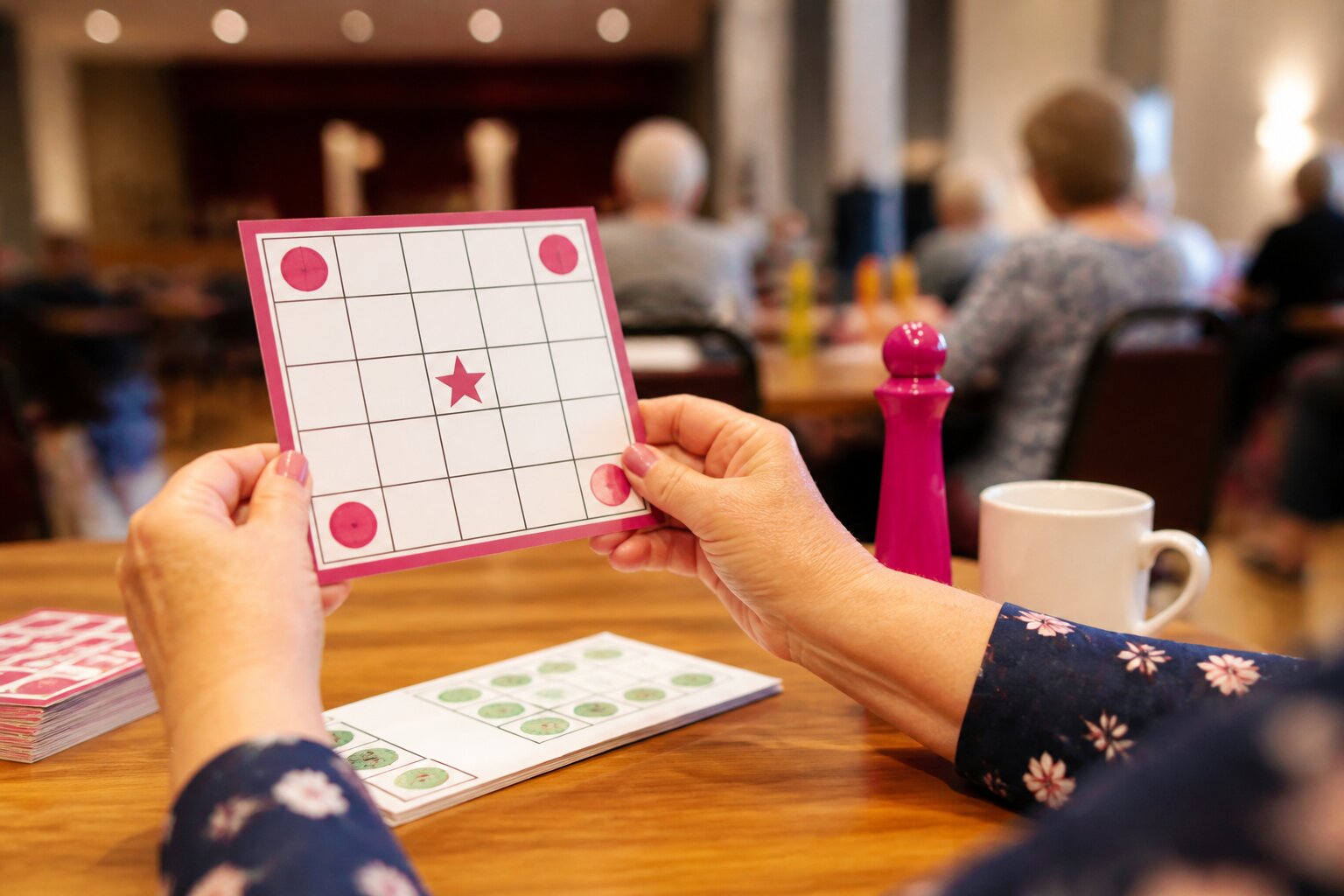
The four corners pattern simply requires the numbers in the top left, top right, bottom left and bottom right squares of your ticket to be marked. On a typical bingo card these are the outermost boxes in each corner of the grid.
This pattern does not involve any central lines or shapes. Its appeal is that it is quick to recognise: once the four corner numbers have been called and marked, the pattern is complete.
Whether the four corners will pay out depends entirely on the game’s rules. Some sessions include it as a prize category, while others stick to line or full-house patterns. Always check the published rules for the specific game you are entering so you know if the four corners pattern is in play.
Do All Bingo Games Accept Four Corners As A Winning Pattern?
No, not all bingo games accept four corners as a winning pattern. Game organisers set the winning combinations for each session, and these can vary widely. Traditional sessions often stick to single line, two lines and full house, while more modern or promotional games may include special patterns such as four corners.
Before a game starts the acceptable winning patterns and any prize structure should be displayed or announced. If four corners is not listed it will not be counted. If it is listed, the rules will also explain whether it is an exclusive win, part of a multi-stage prize structure, or included alongside other patterns.
Checking the rules is a quick way to prevent confusion. If you are playing online, the game lobby or information page usually shows the valid patterns; in halls it will be printed or read out.
How Do Winning Patterns Differ In Bingo?
Winning patterns can range from the very simple to the more elaborate, and they shape how a game feels and how long it lasts. The most common patterns are:
- Single line: all numbers across any one horizontal row.
- Two lines: all numbers across any two rows.
- Full house: every number on the ticket is marked.
Beyond these, games sometimes use diagonal lines, crosses or themed shapes that form letters or symbols. Some events combine stages so that earlier patterns pay smaller prizes and the full house pays the main prize.
Patterns influence strategy in subtle ways. For example, a game that rewards lines early will often see more frequent but smaller wins, while full-house-only games tend to run longer and culminate in a single larger payout. Whether a session includes four corners simply adds another variation to this spectrum.
Common Bingo Rules In The UK
UK bingo follows clear standards to keep play fair and transparent. A typical paper ticket used in traditional halls has 27 spaces arranged in three rows and nine columns, with 15 numbers filled in. Many online versions keep similar layouts, though digital interfaces can differ.
Operators must make the winning patterns and prize structure obvious before play begins. They are also expected to run games fairly and to provide clear explanations of how claims are made. The UK Gambling Commission sets regulatory expectations for licensed providers, including requirements for clear rules and consumer protection.
Tickets, pattern rules and prize details form the basic information players should review before joining a session. Knowing these elements helps you understand whether four corners, lines or a full house are the intended goals for a particular game.
Variations In Online Vs. Traditional Bingo
The core game remains the same, but the setting affects the experience. In halls, a called voice and physical daubing create a social atmosphere and a tactile sense of engagement. Online play automates number calls and marking, and may offer tools such as auto-marking to simplify tracking multiple tickets.
Online games often introduce additional pattern types and promotional formats because the platform supports more complex variations. The essentials—clear rules and displayed prize information—still apply in both environments, so take a moment to read the information provided for the session you choose.
Which Patterns Qualify For A Win?
Patterns that qualify for a win are those published for the specific game you are playing. Single lines, two lines and full house are the backbone of most sessions, but many organisers add special patterns to keep games interesting. Four corners is one such option and is sometimes offered as an intermediate prize or as a feature in themed draws.
The best practice is to treat the listed patterns as the authoritative guide. If a session advertises multiple winning stages, the rules should clarify whether prizes are awarded sequentially and how any ties are settled. Knowing the qualifying patterns helps you spot potential wins quickly and avoids uncertainty when calling a claim.
Are There Myths About Four Corners Bingo Wins?
Yes, misconceptions do circulate. One common myth is that four corners is always a winning pattern. In truth, whether it counts for a prize is decided by the game organiser and must be shown in the session’s rules. Another misunderstanding is that corners offer a shortcut to a full house; while they are quicker to complete than a full card, they are a separate pattern and do not replace the full-house requirement unless explicitly stated.
Trust the official information for each session rather than hearsay. If you are unsure about a rule during play, ask a member of staff in a hall or check the game’s help or information page online. Clear communication from organisers is the simplest way to prevent myths from affecting play.
Summary Of Bingo Winning Patterns In The UK
Bingo offers a range of winning patterns, from single line to full houses and occasional special shapes such as four corners. The key point is that only the patterns listed for a particular game count as wins, so checking the rules before play is essential.
Single line, two lines and full house remain the most common patterns. Four corners appears in some games as an additional option but is not universal. When patterns are clearly published, you can join a session with confidence and focus on the enjoyment of the experience.
If you need more detail about a specific game’s patterns or where to find the rules, the game information will usually provide everything required. Play within your means and consult the session details so your bingo experience is straightforward and fair.
**The information provided in this blog is intended for educational purposes and should not be construed as betting advice or a guarantee of success. Always gamble responsibly.